
How to select MMA pavement materials? Curing speed, anti-slip and weather resistance
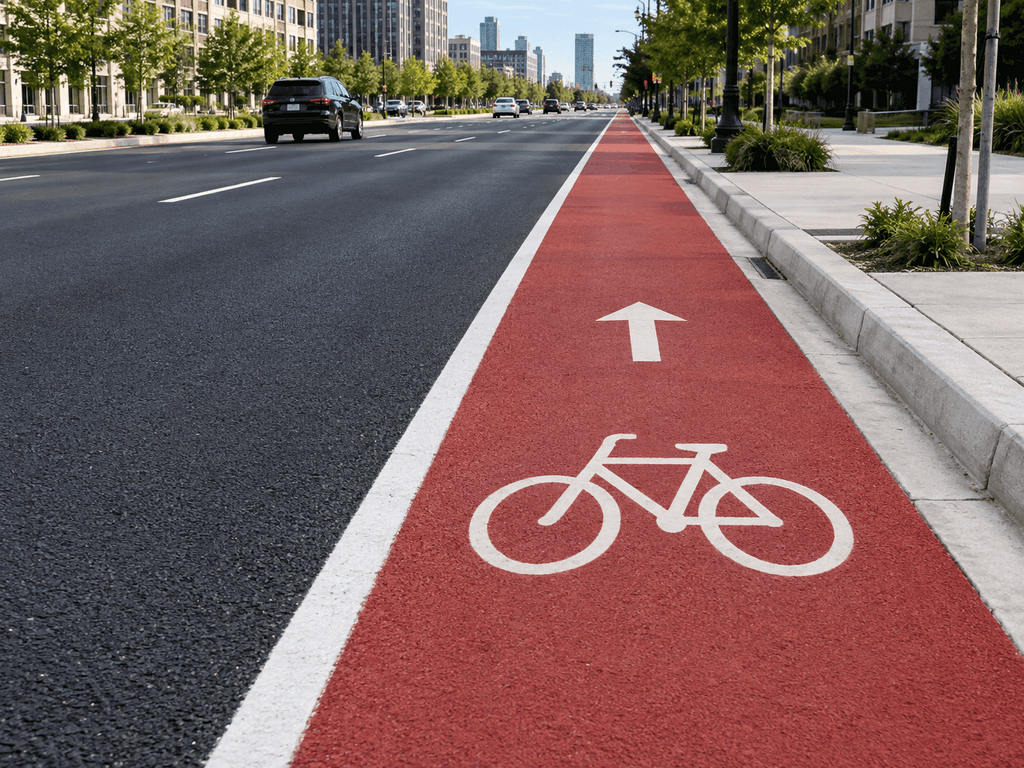
MMA (Methyl Methacrylate) pavement materials are widely used in bicycle lanes, pedestrian pathways, road markings, parking areas, and other traffic surfaces. Their rapid curing characteristics, strong adhesion, and flexible application options make them suitable for projects requiring efficient construction and durable surface performance.
However, selecting the right MMA pavement system requires careful evaluation of curing speed, anti-slip properties, weather resistance, and application requirements.
1. Evaluate Curing Speed
One of the main advantages of MMA pavement materials is their rapid curing performance. Compared with many conventional coating systems, MMA materials can achieve relatively short curing times, helping reduce construction interruptions and traffic closure periods.
Curing speed is influenced by several factors:
- Ambient and substrate temperatures.
- Hardener or initiator dosage.
- Resin formulation.
- Mixing procedures and application thickness.
Buyers should select a curing system that matches the construction schedule and local climate. Excessively rapid curing may shorten working time and make material application more difficult.
2. Consider Anti-Slip Performance
For bicycle lanes, pedestrian areas, ramps, and traffic surfaces, slip resistance is an important selection criterion.
MMA systems can incorporate suitable anti-slip aggregates, such as colored ceramic particles or other mineral aggregates, to create a textured surface.
Aggregate particle size, hardness, distribution, and application method all influence the final surface texture. The required friction performance should be determined according to the intended traffic conditions and relevant testing standards.
3. Check Weather Resistance
Outdoor MMA pavement is exposed to sunlight, rainfall, temperature changes, and mechanical wear.
A suitable formulation should provide adequate resistance to UV exposure, moisture, and environmental aging. Pigment stability is also important when maintaining the appearance of colored pavement.
For outdoor projects, buyers should evaluate the complete system rather than considering resin properties alone. Primers, binders, aggregates, and protective layers must be compatible.
4. Match the Material to the Application
Different projects require different MMA formulations and surface structures.
- Bicycle Lanes: Require consistent surface texture, color stability, and suitable skid resistance.
- Pedestrian Walkways: Prioritize surface uniformity, wear resistance, and walking comfort.
- Road Markings: Require strong adhesion, clear visibility, and rapid curing.
- Parking Areas: Need suitable abrasion resistance and resistance to vehicle-related loads.
- Sloped Ramps: Require carefully selected anti-slip aggregates and appropriate surface texture.
5. Evaluate Construction and Material Compatibility
Before purchasing, contractors should confirm the resin-to-hardener ratio, working time, curing conditions, recommended application thickness, and aggregate compatibility.
The substrate must also be properly prepared to ensure reliable adhesion. A small trial application is recommended before large-scale construction, particularly when working under unfamiliar temperature or humidity conditions.
Conclusion
Selecting suitable MMA pavement materials requires balancing curing speed, anti-slip performance, weather resistance, and construction requirements. By evaluating these factors together, contractors can choose a system that matches the project environment while improving construction efficiency and long-term pavement performance.